
Can Quartz Kitchen Surfaces Withstand Heavy Use?
Quartz kitchen surfaces are a popular choice for homeowners due to their durability and aesthetic appeal. In this blog, we'll explore how quartz holds up under heavy use and provide insights into its overall resilience in the kitchen.

Understanding Quartz Composition
Quartz is a natural mineral composed mainly of silicon dioxide, which gives it incredible durability. This strong composition is one of the reasons quartz has become a go-to option for kitchen surfaces.
Notably, quartz surfaces are engineered by combining about 90% crushed natural quartz with resin and pigments, which enhances their strength and versatility. This thoughtful blend results in a non-porous material that is both visually appealing and resistant to wear.
Because of this unique fabric, quartz surfaces offer a multitude of colors and patterns, allowing you to find the perfect fit for your kitchen while still enjoying maximum functionality.
Common Uses in the Kitchen
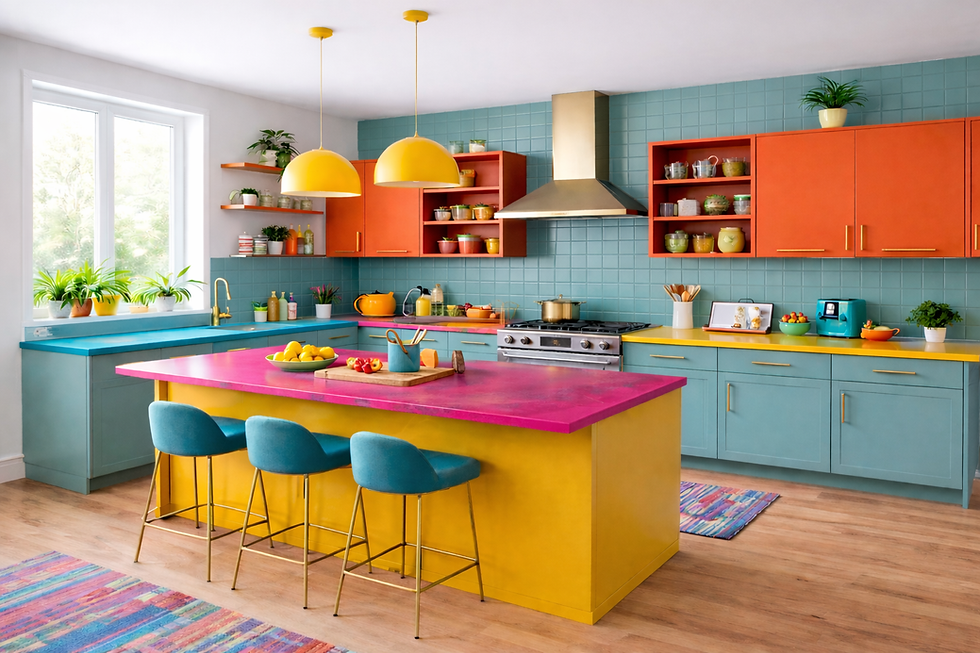
Quartz surfaces are widely used for countertops, backsplashes, and even islands in modern kitchens. Its resilience means that it can handle the demands of meal prep, serving, and even the occasional spill without compromising its integrity.
In fact, many homeowners appreciate how quartz remains not only functional but also stylish. Whether you're chopping vegetables or rolling out dough, quartz is able to withstand everyday kitchen tasks with ease.
Alongside its utility, quartz kitchen surfaces add elegance to any kitchen by reflecting light beautifully, which can enhance the overall ambiance of your cooking space.
Resistance to Stains and Scratches
One of the standout features of quartz kitchen surfaces is their remarkable resistance to stains and scratches. This durability means that common kitchen mishaps, from spilled coffee to knocked-over pots, are no match for quartz.
Due to its non-porous nature, quartz does not absorb liquids the way other surfaces might. This characteristic makes it an excellent choice for busy kitchens, where cleanliness and maintenance are paramount.
However, while quartz is highly resistant to most substances, it’s essential to use cutting boards to protect against potential scratches from knives and other sharp utensils. This extra bit of care goes a long way.
Heat Resistance and Care Guidelines
When it comes to heat resistance, quartz performs admirably. While it can tolerate moderate heat, it's prudent to use trivets or hot pads for very hot pots and pans. Direct exposure to extreme heat may lead to damage over time.
To maintain the luster of your quartz surfaces, regular cleaning with mild dish soap and warm water is recommended. Avoid harsh chemicals that could erode the resin binding the quartz particles.
Additionally, ensuring that spills are wiped up promptly can help maintain quartz’s pristine appearance and longevity. A little bit of care goes a long way in preserving its beauty and functionality.
Comparing Quartz to Other Materials
When evaluating kitchen surfaces, it's important to compare quartz to other materials like granite and laminate. Quartz offers superior durability compared to laminate, which is more prone to scratches and damage.
Although granite is also durable, it requires regular sealing to maintain its stain resistance, whereas quartz requires no such treatments. This makes quartz a lower-maintenance option for busy home cooks.
In conclusion, when it comes to heavy use and demands of a home kitchen, quartz surfaces truly excel. Their blend of durability, beauty, and ease of upkeep makes them a formidable choice that stands the test of time.
Final Thoughts on Quartz Durability
In summary, quartz kitchen surfaces are designed to withstand the rigors of daily use. With proper care and maintenance, they can remain beautiful and functional for years to come. Whether you're a seasoned chef or a casual cook, quartz surfaces can support your kitchen activities effectively.


Comments