
Remodel for You—Because You’re the One Living It

“Remodel for resale” has been repeated so often it feels like unquestioned truth. Keep it neutral. Play it safe. Don’t get too personal. On paper, it sounds responsible. But it’s worth asking, responsible to who?
Designing your home around a hypothetical future buyer means optimizing for someone else’s preferences, someone you don’t know, for a moment that may never come. In the process, you compromise the one thing that delivers value every single day, how your space works and feels for you.
Because a kitchen isn’t a short-term asset, it’s a high-use environment. It’s where your mornings begin, where conversations happen without planning, where life naturally gathers. When it’s designed around your routines, your habits, and your pace of life, it doesn’t just look better, it performs better. It reduces friction. It supports you instead of asking you to adjust.
So the better question becomes, why design your life around a standard that doesn’t reflect it?
Design Around Use, Not Assumption
Every decision in a kitchen has consequences. Layout shapes how you move. Materials determine how things wear. Surfaces influence how much effort daily life requires.
When those choices are based on “safe” defaults, they often land somewhere generic—acceptable, but not optimal. But when they’re based on how you live, how you cook, host, clean, and gather, the space starts to feel intuitive. And that’s where something shifts.
The kitchen becomes easier to use, but it also becomes somewhere you want to be. Morning coffee feels calmer. Dinners feel more connected. Conversations linger a little longer. Not because of design alone, but because nothing is working against you. This isn’t about making a statement. It’s about creating alignment between your space and your life.
Countertops: Where Function Meets Daily Experience
Countertops are one of the most interacted-with surfaces in your home. They’re not just visual. they’re physical, constant, and unavoidable. They hold your morning coffee before the day starts. They catch groceries, spills, and everything in between. They’re where people lean, gather, and stay. So, the choice isn’t just aesthetic. It’s operational.
A surface that’s too delicate becomes something you protect. One that doesn’t fit your style fades into the background. But the right surface, one that matches how you live, disappears in the best way. It works. It holds up. It feels right every time you use it.
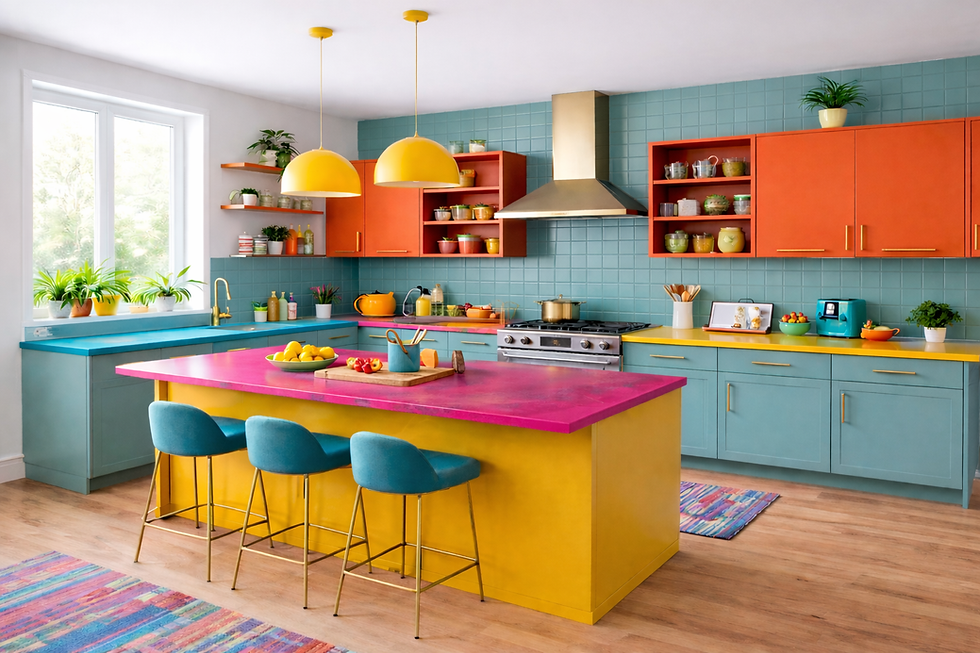
Maybe that’s a bold, architectural slab that gives the space presence. Maybe it’s something softer and more natural that feels calm and grounded. Maybe it’s clean, durable, and effortless. Whatever it is, it should be a decision rooted in how you live. Not what feels safest to sell later.
Because when you’re interacting with something every single day, the right choice doesn’t just look better—it removes friction you didn’t even realize was there.
A Kitchen That Fits You… Just Works Better
When a kitchen reflects your life, everything starts to flow.
Cooking meals becomes second nature. People move comfortably without crowding.And your space supports you on those busy mornings instead of slowing you down.
These aren’t dramatic changes, but they compound. Small inefficiencies disappear. Movement becomes intuitive. The space feels easier to exist in. And over time, that changes your relationship with your home. You use it more. You enjoy it more. It becomes part of your rhythm instead of something you work around.
That’s the part most people miss, good design isn’t just how it looks, it’s how it lives.
Trends Fade. Relevance Lasts.
Trends can be useful for inspiration, but they’re not a strategy. What matters more is relevance. Does this hold up to your daily use, make your life easier, or does this space feel like somewhere you want to spend time?
The kitchens that age well aren’t the ones that followed rules. They’re the ones that reflected the people living in them. So whether you’re drawn to bold veining, soft tones, or highly durable materials, the question isn’t “will this appeal to everyone?” It’s “does this make sense for me?”
The Real Return on Designing for Yourself
There’s a practical payoff to all of this. Less frustration and more efficient daily routines. A space that gets used more and a home that feels personal. And beyond that, there’s something harder to measure but easy to feel: the difference between a space that’s simply “fine” and one that feels right.
A kitchen that makes you pause for a second when you walk in. The space where people naturally gather. One that feels like it was made for your life, because it was. That’s not indulgent. That’s intentional.
The Bottom Line
Resale might matter one day. But today, this is your home. Your routine. Your life.
So instead of designing for a future scenario, design for what’s happening right now. The mornings, the conversations, the everyday moments that make up your life. Because the best remodels don’t just change how a space looks. They change how it feels to live in it. And that’s where the real value is.


Comments